The Custom Keys Challenge has officially come to a close.
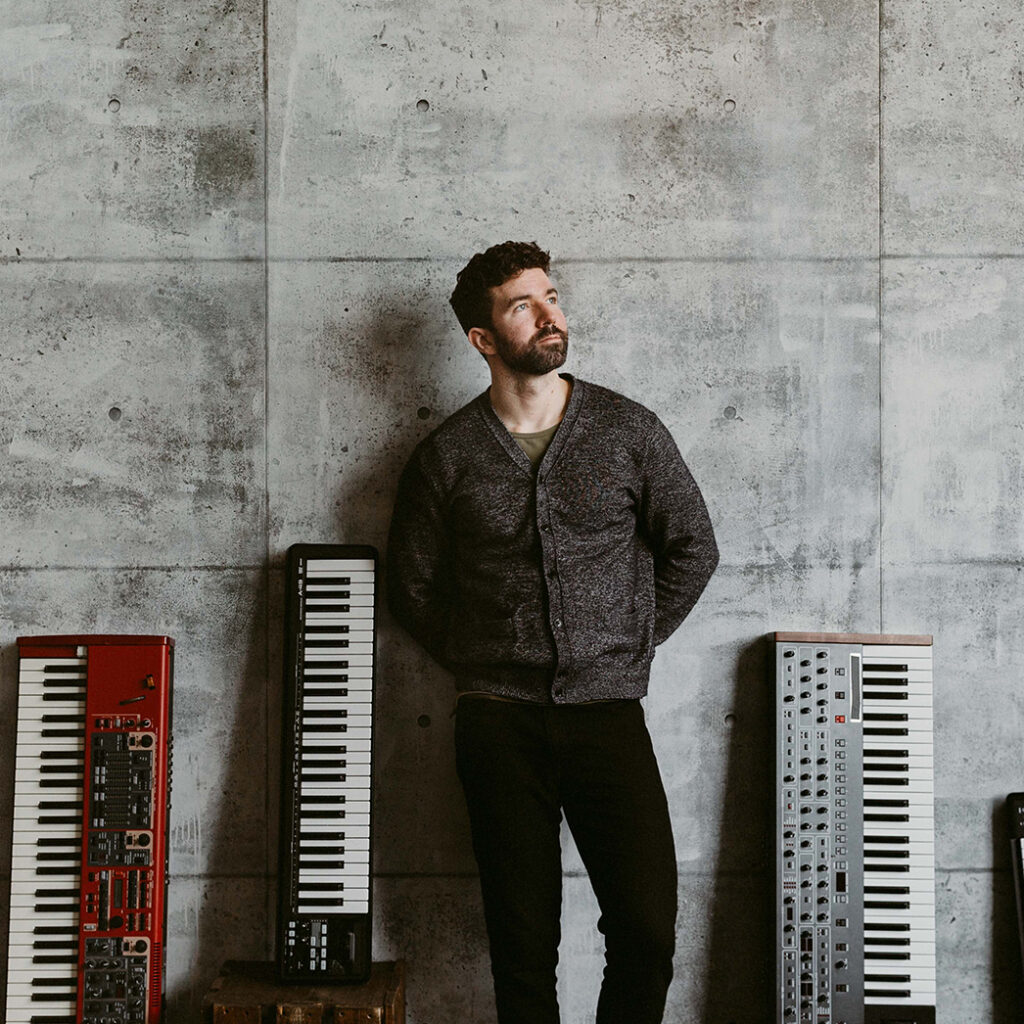
Following an outstanding global response and an exceptionally high standard of submissions, we are proud to announce Todd Pentney as the winner of the Custom Keys Challenge.
From the very first listen, Todd’s submission captivated us with its musicality, originality, and refined sense of atmosphere. His composition demonstrated not only technical excellence, but also a strong artistic voice – a piece that felt both contemporary and timeless, unmistakably rooted in the expressive character of the Rhodes.
You can watch Todd’s winning submission here:
While there can only be one overall winner, the competition showcased an extraordinary breadth of talent from around the world.
We are delighted to recognise the final placements:
1st Place – Todd Pentney
2nd Place – Jack Hymers
3rd Place – Israel Jabar
Followed by outstanding runners-up: Antoine Artaud, Gavin Russell-Rockliff, Owen Moriarty, Mats Jøger, Kristof Engelen.
The margins between placements were incredibly close, and each finalist brought something unique to the challenge. The creativity, musicianship, and production quality across the board made this one of our most exciting competitions to date.
You can explore the full playlist of finalist submissions here:
In Conversation with Todd Pentney
What does the Rhodes sound mean to you?
Todd: For me, the Rhodes is an iconic sound that has been part of my musical identity since the earliest stages of my creative development. Hearing Chick’s cutting, present tone on “Light as a Feather,” at the age of 13 made me realize that keyboard instruments could be the star of the show in a modern context. And then discovering Herbie’s spanky, funky Mark I tone on Headhunters when I was 15 blew my mind. That record is still, to this day, my gold standard both in terms of sound and in Herbie’s unique musical approach to playing the Rhodes differently than a piano.
Stevie Wonder, Joe Zawinul, and Donald Fagen also had a huge impact on my playing. These cats paved the way for keyboardists everywhere. Also during this time, I discovered a record in 2001 called “The Philadelphia Experiment.” Uri Caine’s playing on it is masterful, and it remains one of my favourite records to this day. And of course, Robert Glasper and all the lush harmony happening in modern hip-hop and neo-soul continue to impress and inspire me.
For me, the sound of the Rhodes represents the freedom to have a voice in any environment whether it be a loud bar gig or a solo, exposed, intimate set, and ranging in style from classic funk, to neo-soul to contemporary jazz. The Rhodes can do it all! When I was in college playing in a funk band, I’d load the Rhodes into my bandmates’ cars. It was always a hilarious ordeal getting the instrument into the venue. A lot of bandmates would avoid eye contact when they saw me pulling up. Digital keyboard versions of the Rhodes have gotten good over time, but there is still nothing like a real Rhodes on a gig. It responds to what you put into it in a way that a digital recreation never will. It might not be noticeable to the average audience member, but it’s always noticeable to the player. So it’s safe to say the Rhodes sound is infused with my DNA at this point.
How did you approach your composition for the Custom Keys Challenge?
Todd: I already had the opening quartal riff written in a session, but it wasn’t fully developed yet. I dropped the video into the session and realized it had potential. It suited the vibe. It was chill but still had forward momentum and energy. I played around with the tempo and key to hit specific moments in the video. Each section is at a slightly different tempo.I also used Vari-speed in Logic for the first time to pitch things around, and I found the timbral shifts from that “tape-like” pitching method really inspiring during the composition and production stage. It was a cool discovery, and I’m definitely going to do it again in the future.
Once I had written all the main sections of the tune and mixed everything, I bounced the audio into a new session and approached the whole track like a “remix.” That’s where I added a lot of the transitional elements and glitchy FX to further enhance the visual cues. I think there’s a lot of flexibility when you commit things to audio. It allows for a different type of editing that can’t be done in the same way with software plug-ins and MIDI regions (although that approach has its benefits too).
I then bounced the “remix” session out one last time into a “mastering” session, ran it gently through some outboard gear I have, and called it a day
What Rhodes sounds did you use in your composition, and how did you find this process?
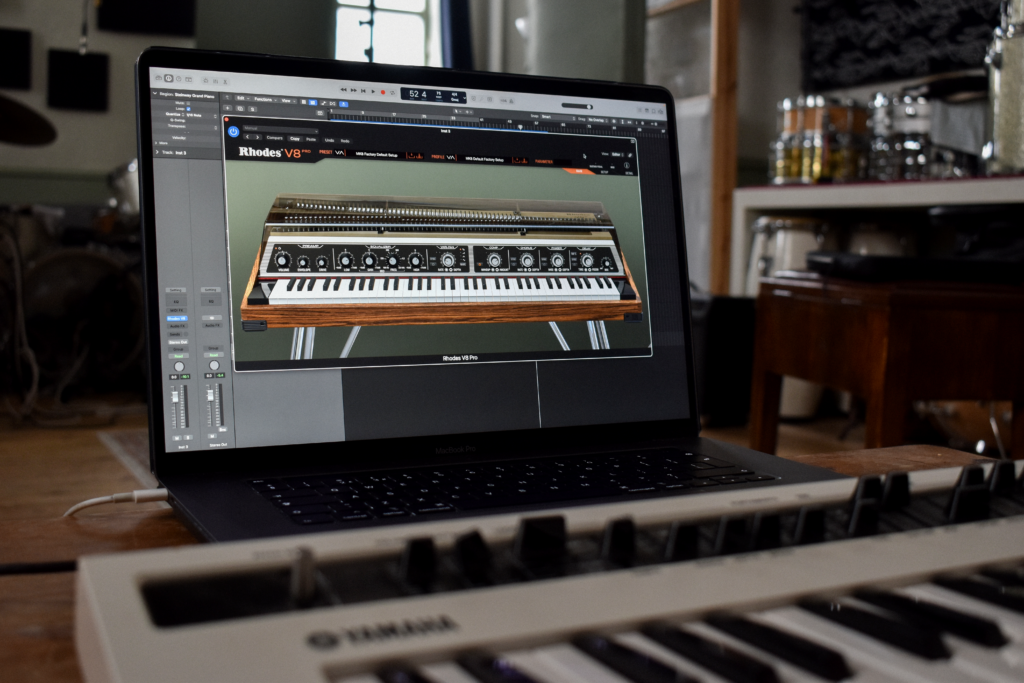
Todd: I used the Rhodes V8 plugin for most of the main sounds in the recording. The main comping chordal part, the distorted synth-like leads, the bass, and the arp FX.
The bass was a very pleasant surprise. I don’t think I could get bass that clean from a real Rhodes with a low enough noise floor. Because it’s so clean, I was able to process the Rhodes bass just like I would an electric bass or synth bass, and the sound doesn’t get overly bloated in the low end. This is an interesting benefit of a plugin versus a real Rhodes. The lead sound uses a liberal amount of drive in the V8 preamp stage. I also used that Arturia MS-20 filter on it, along with an envelope on top of the filter built into the V8 plugin. Those two effects played really nicely together.
What would winning mean to you and your musical journey?
Todd: For me, being acknowledged by Rhodes at all is a tremendous highlight in my musical journey. I associate the brand and name with quality, excellence and a rich musical history, so it’s truly an enormous honour. Winning would enable me to further share my passion for Rhodes with fellow musicians, students, and anyone else who is curious to hear the best possible representation of a Rhodes on the planet.
If you were to win a Rhodes MK8, how would you use it?
Todd: If I were to win a Rhodes MK8 I would use it in a multitude of recording projects at my home studio, in live concerts in and around Toronto, and in my teaching practice (through piano lessons and production lessons) to allow students the opportunity to experience the Rhodes at it’s highest level.
I’m also very interested in utilising MIDI automation sequenced in real-time while tracking in live. Imagine. Perfectly automated filter frequency parameter, delays and chorus for a section of a tune happening in real-time. Also, for sending “presets” live.
How would you design your own MK8? Would you go for a Custom Shop model, and if so, which?
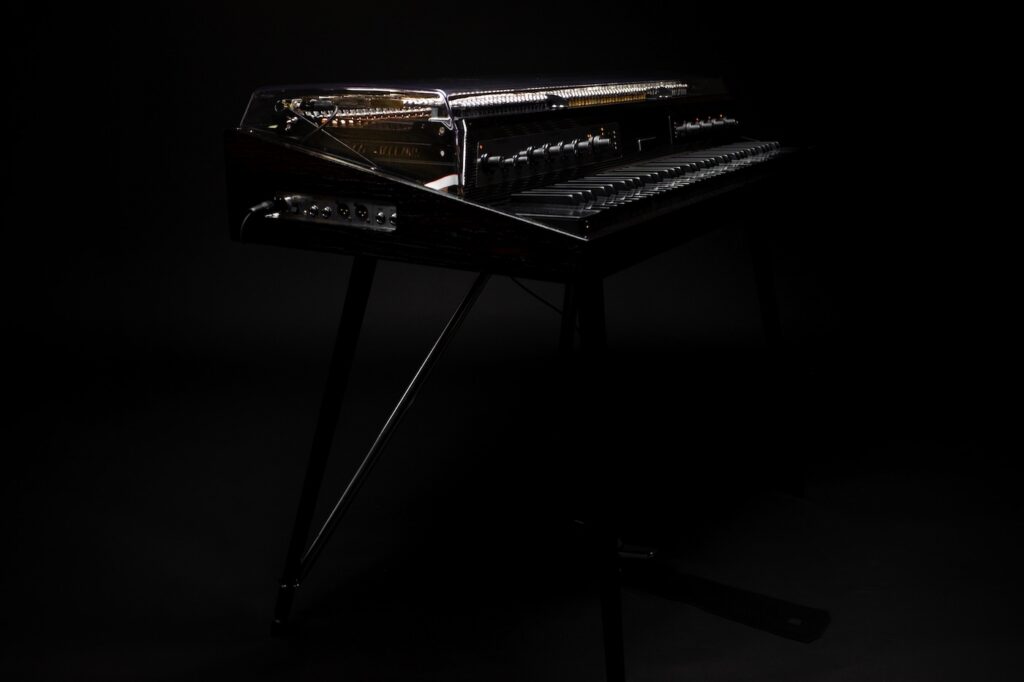
Todd: I would go for the Custom shop for sure. I really like the clear top with either classic black or wood sides and white FX panels. Wow, that would look stunning in the studio.
Find out more about Todd and his music: https://www.instagram.com/hifi.lo/
If you would like to vote for Todd’s soundtrack, follow the link below, and ‘like’ his video: https://youtu.be/r94SuDYriDk?si=ZsykgIVxLB1LjXpE