From Fullerton to Leeds: Roger Garvin (ex-Rhodes General Foreman – Production Line) Reflects on the Past, Present and Future of Rhodes
As Rhodes approaches its 80th anniversary, the story of the world’s most iconic electric piano continues to evolve. Few people are better placed to reflect on that journey than Roger Garvin, former Rhodes General Foreman and later Marketing Director, who spent a decade inside the legendary Fullerton factory during the instrument’s golden era. From Harold Rhodes’ original educational vision to the modern Rhodes MK8 built in Leeds, Roger shares rare insights into the history, manufacturing and enduring appeal of the Rhodes electric piano.
Key Takeaways
- Former Rhodes General Foreman Roger Garvin shares his memories of the Fullerton factory.
- The 1970s production line built up to 800 pianos per week.
- The modern Rhodes MK8 impressed Roger with its craftsmanship and authenticity.
- The upcoming MK8/80AE celebrates 80 years of Rhodes innovation.
The Rhodes story began in 1946. What started as Harold Rhodes’ vision for a new kind of teaching/therapeutic piano would eventually become one of the defining keyboard instruments of modern music, shaping the sound of jazz, soul, rock and pop across generations. From Herbie Hancock and Chick Corea to Stevie Wonder, Patrice Rushen and Joe Zawinul, the Rhodes piano became more than an instrument; it became part of the musical language of the late twentieth century.
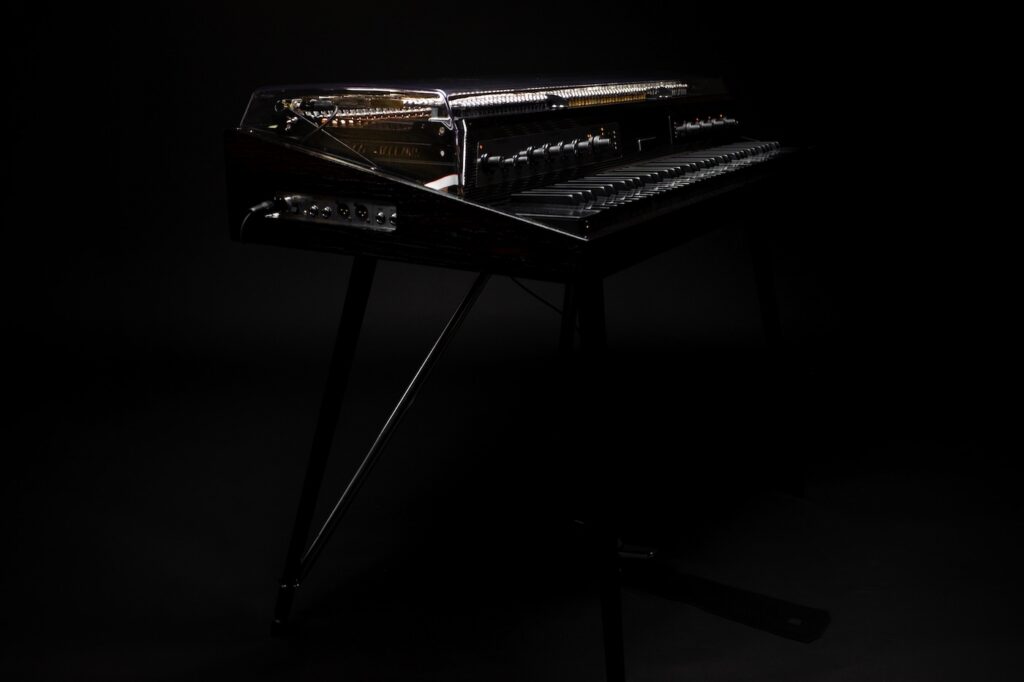
Now, as Rhodes approaches its 80th anniversary, the instrument enters another chapter. Today, the Rhodes MK8 is designed and built in Leeds, UK, where an elite team of engineers, craftspeople and musicians continue developing the electromechanical piano for contemporary players while remaining deeply connected to the magic of the original instrument.
Few people witnessed the original rise of the Rhodes piano as closely as Roger Garvin.
Roger joined CBS Musical Instruments in 1970 and spent the next decade inside the Fullerton, California operation during one of the busiest and most influential periods in Rhodes history. Initially overseeing the Rhodes production line before later becoming Rhodes Marketing Director, he experienced the instrument from almost every angle: manufacturing, engineering, artist relations, dealers and corporate life, all while the Rhodes piano became one of the defining sounds of the era.
More than fifty years later, Roger has reflected publicly for the first time on his years inside the original factory and on the experience of seeing and playing the modern-day, flagship Rhodes MK8.
Harold Rhodes’ Original Idea
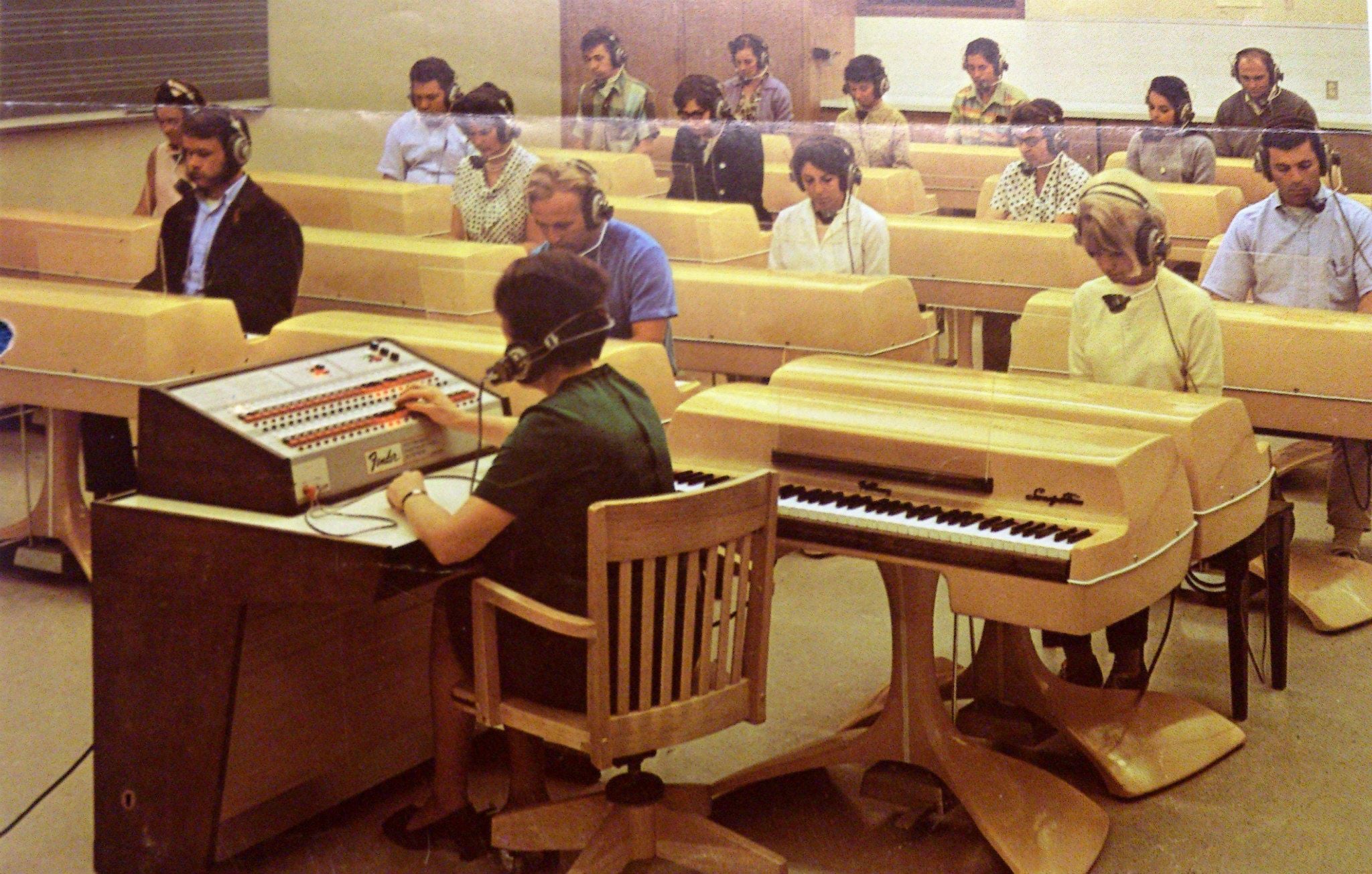
Long before the instrument became associated with jazz fusion or touring stages, Harold Rhodes originally conceived the piano as both an educational tool and a means of rehabilitating injured soldiers through music.
Roger recalled that Harold’s motivation came from his frustration as a piano teacher. At the end of a piano lesson, one student would leave the room and pay for their session, while nearby guitar teachers would walk out with entire groups of students at once.
“That bothered him,” Roger said.
The solution Harold imagined became the foundation of the Rhodes teaching system: a connected electric piano setup that would allow multiple students to practise simultaneously while the teacher monitored them from a central console.
“Part of the genesis of the Rhodes piano was that Harold wanted to be able to teach multiple students at the same time,” Roger explained. “He wanted to give the teacher the ability to punch in, or punch out and listen to each student one at a time.
A teacher could listen in on an individual student without the student even knowing, allowing for an honest assessment of their playing, while two-way communication meant teacher and student could speak directly without disrupting the rest of the class.
The initial idea had nothing to do with jazz clubs, arena stages or studio sessions. Yet by the late 1960s and early 1970s, musicians had begun discovering something unique inside the instrument.
The Rhodes piano sat in a space between acoustic and electronic instruments that felt entirely new. Its tone could blend naturally alongside brass, reeds and strings while still maintaining its own identity both inside a mix and as a powerful out-front soloing instrument. Played softly, it produced warmth and clarity. Pushed harder, it barked and saturated in a way that became central to its musical vocabulary.
“It was an amazing time for the Rhodes piano as jazz and rock musicians discovered a sound that perfectly complemented the waveforms of string, woodwind and brass instruments,” Roger recalled. “The Rhodes piano paved the way for the explosion of electronic keyboard instruments that followed.”
For Roger, that relationship between mechanics, electronics and touch remains the essence of the instrument.
Inside the Fullerton Factory
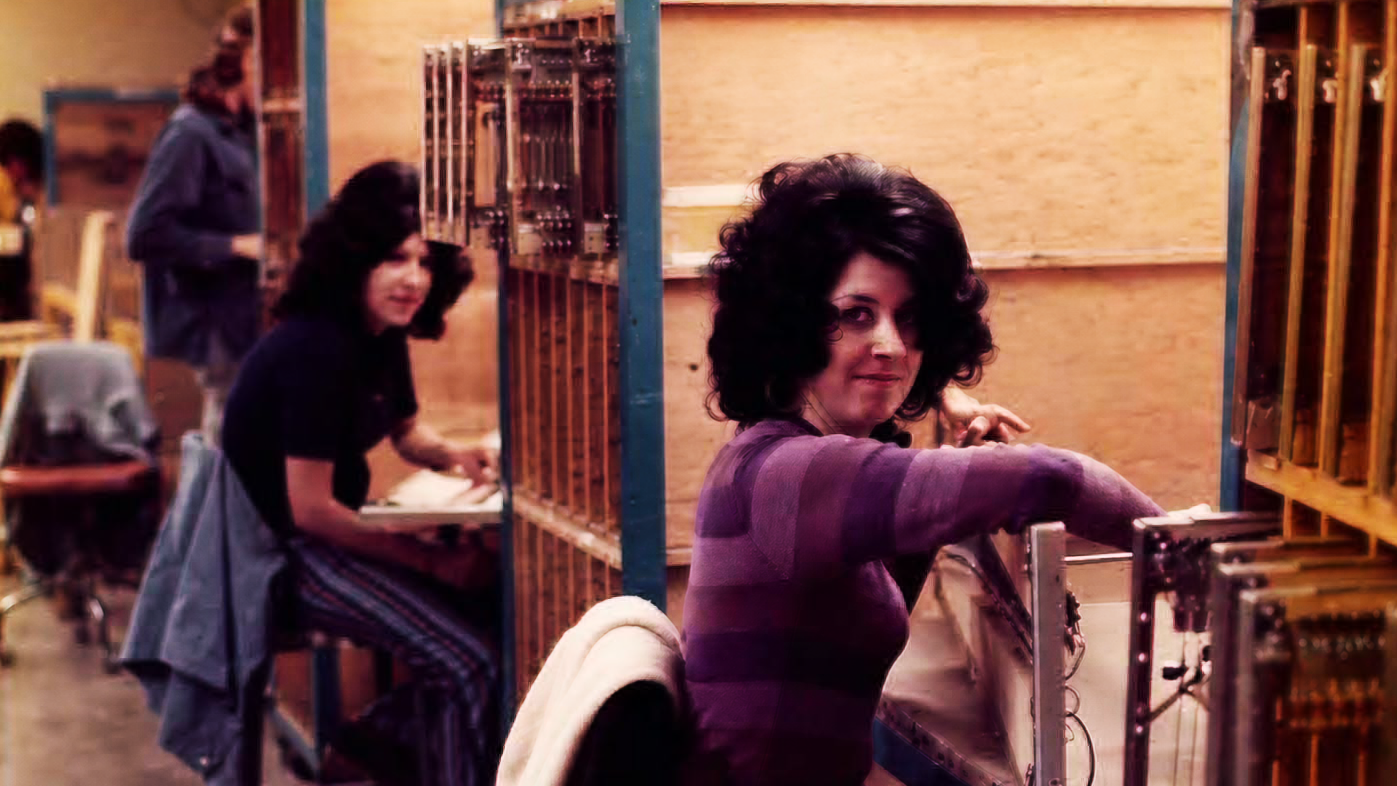
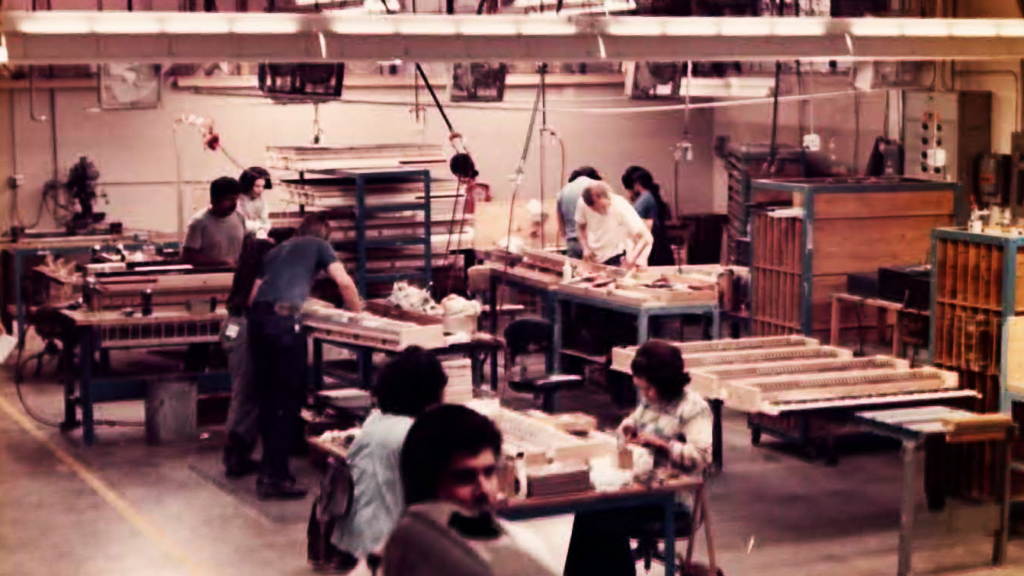
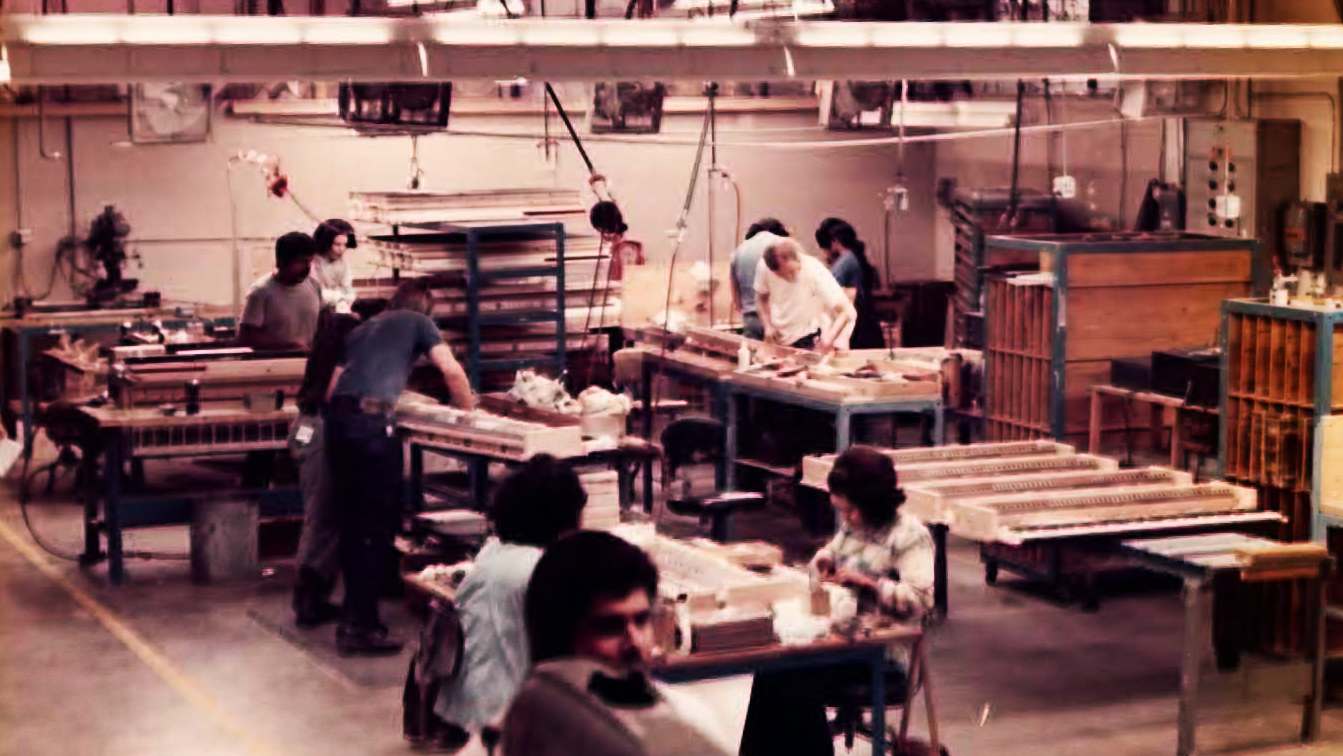
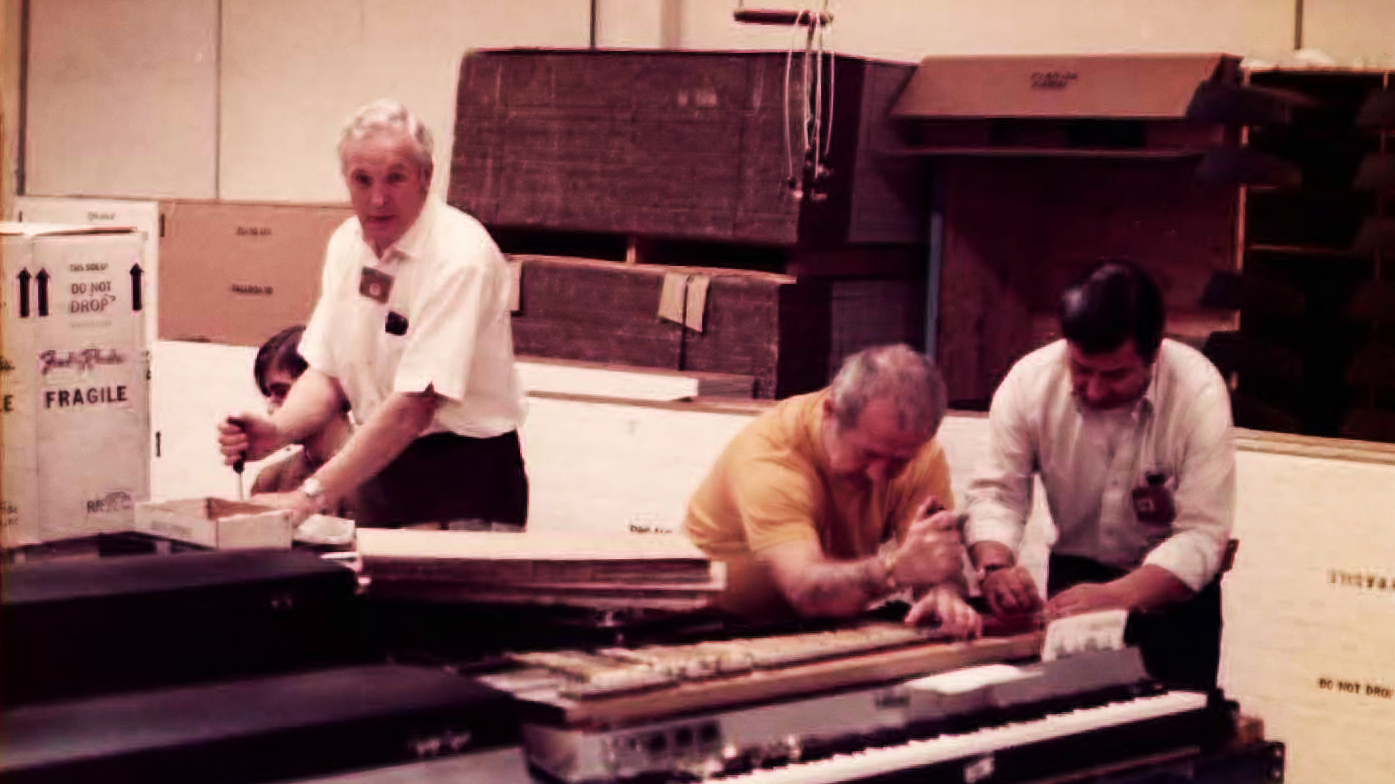
The Rhodes pianos of the 1970s were built inside the vast CBS Musical Instruments operation in Fullerton, California, alongside Fender guitars and amplifiers, Rogers drums and a range of other musical products. Roger remembers the environment as equal parts factory floor and musical ecosystem: wood dust, machine oil, Tolex glue, electronics benches, metal stamping equipment and rolling racks of partially assembled pianos moving between departments.
“There were a lot of people with a musical background,” Roger recalled. “We were a real musical environment.”
At peak production, the scale was enormous.
“We were doing 800 pianos a week.”
The core Rhodes assembly line itself was surprisingly small – roughly fifteen people – but the broader operation feeding it was much larger (40-50 people) once cabinet makers, electrical assembly teams, parts departments, subassembly workers and quality control staff were included.
“Final assembly was just one straight shot,” Roger said.
Cases entered first, followed by pre-regulated keybeds, dampers and finally the harp assemblies. Much of the complex work had already been completed elsewhere in the factory before reaching final assembly. Tone bar racks arrived prepared in batches. Front panels were wired in electrical assembly. Cabinets were covered and checked in the cabinet shop before arriving on the line ready for installation.
“A lot of sub-assemblies were already done,” Roger explained.
The final stages relied heavily on human skill and repetition, just as in the current Leeds factory. However, back in the 70’s there were no digital measuring systems or automated calibration tools available. Consistency came from fixtures, jigs and experienced workers who knew the instrument intimately.
“There would have been a fixture that went in place,” Roger explained, describing how tine and pickup positioning were standardised during production. “You just screwed it down to the fixture, and that set the appropriate distance.”
Final tuning remained entirely manual.
“Those people sat with a Peterson tuner, and they knew what pitch each key was supposed to be.”
Roger still speaks with admiration about the factory’s in-house manufacturing capability. Tone bars, brackets, hardware and tooling could often be produced internally inside the Fullerton machine shop, where industrial workers and tooling engineers built everything from production dies to custom fixtures.
“We could do anything there,” Roger recalled.
The Strange Magic of the Rhodes
For all the engineering involved, part of the Rhodes always remained slightly mysterious.
Roger remembered one phenomenon in particular that nobody inside the factory could ever fully explain, including Harold Rhodes himself. Every so often, a particular batch of pianos would leave the line with what he described as an “ethereal overtone” – a strange harmonic bloom that appeared when certain notes were played softly, almost like hidden harmonics emerging underneath the main note.
“Every now and then there’d be a run of pianos that would have this ‘ghost’ tone,” Roger said. “And those pianos became coveted.”
The frustrating thing was that nobody could consistently reproduce it. Tiny differences in tine behaviour, tone bar interaction, pickup positioning and amplifier response seemed to combine unpredictably from one production run to another.
“He liked it,” Roger said of Harold Rhodes. “But he was frustrated we couldn’t control it.”
That unpredictability was part of the instrument’s identity. The Rhodes was never entirely clinical or mathematically perfect. It existed in a constantly shifting space between mechanics, electronics and human touch.
“When you stand back and hold a tone bar in your hand,” Roger laughed, “you go, ‘Who the hell thought of this? And why does it even work?’”
Artists and the Rhodes Sound
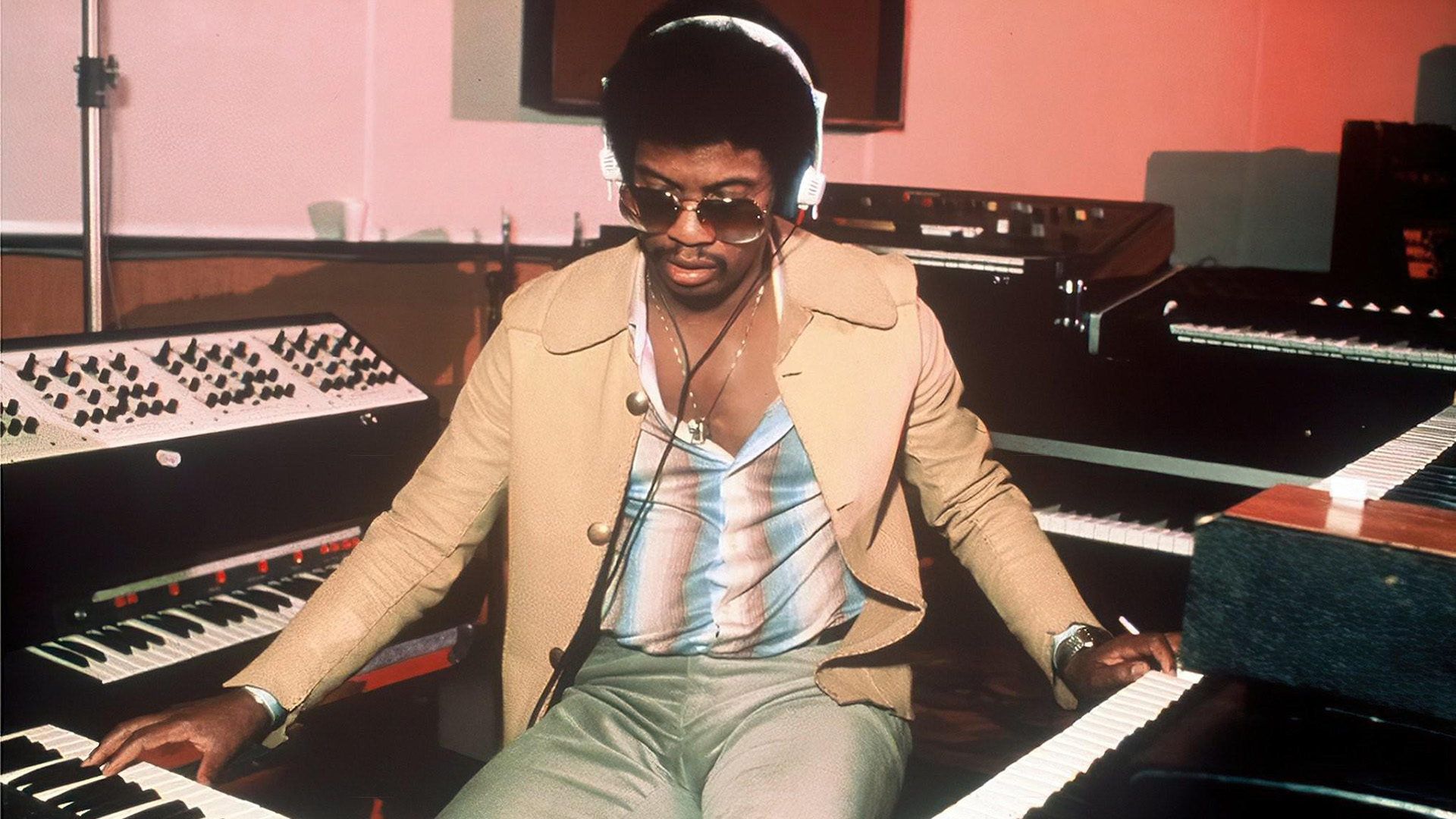
As the instrument’s popularity exploded throughout the 1970s, artists regularly passed through the Rhodes factory. Roger remembers visits from Herbie Hancock, Ray Charles, Patrice Rushen, Chuck Mangione and many others.
“They all came by, and they were big fans of the instrument.”
Harold Rhodes himself especially loved those conversations with musicians. Roger remembers him lighting up around players who were discovering new ways to use the piano.
“Harold loved talking to them.”
Roger also remembers how naturally the instrument fit within evolving jazz and fusion arrangements during that era. Compared to other electric keyboards, the Rhodes occupied a softer and more blendable sonic space.
“The Rhodes is much closer to a sine wave,” Roger explained. “You’ve got a much better chance of a decent blend and less of a conflict.”
That quality became one of the instrument’s defining characteristics. The Rhodes could sit beneath an arrangement, weave between instruments or push forward aggressively depending on how it was played.
It behaved less like a fixed electronic keyboard and more like a living instrument.
Seeing the MK8
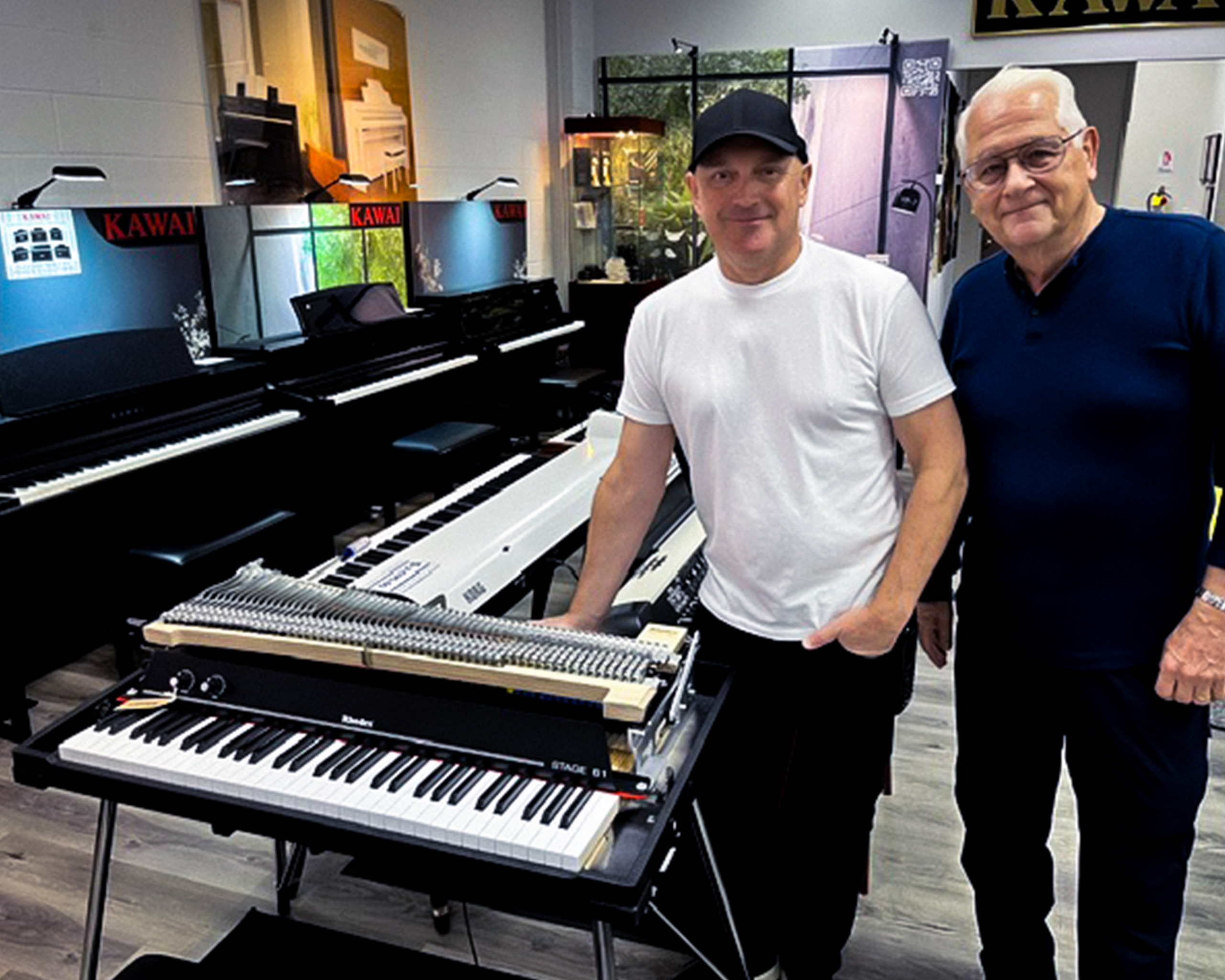
More than fifty years after first walking into the Fullerton factory, Roger recently encountered the modern Rhodes MK8 for the first time.
When the lid was removed and he saw inside the instrument, his reaction was immediate.
“Is this now a Lamborghini product?” he laughed.
Having spent years overseeing production inside Fullerton during the 1970s, he was struck by a level of finish and precision that simply was not achievable during the original CBS era. Yet what mattered most to him was not the visual refinement, but the behaviour of the instrument itself.
“The first thing I did was I tapped a key,” Roger recalled. “And it kept going louder and louder and louder. Then I waited for that breakup sound – and it was all there!”
He immediately recognised the dynamic transition between warmth and bark that defined the classic Rhodes experience. He also noticed refinements throughout the instrument, including improvements to sustain behaviour, upper-register response and overall consistency across the keyboard.
“They did something there we didn’t know about,” he said, looking at the high-register new grommet/tone bar design.
Roger did not see the MK8 as a nostalgia exercise or a replica of the past. To him, it felt like the same instrument, evolved through another fifty years of engineering, manufacturing and musical understanding.
“They’ve done it,” he said. “It’s Rhodes. Not 2.0 or 3.0. More like 9.0!”
He was particularly struck by the integrated analogue effects system and stereo vibrato circuitry, ideas that reminded him of dealer demonstrations he used to give during the 1970s using external pedals connected to Suitcase pianos.
“When I turned on the stereo vibrato [Vari-Pan on the MK8], I was in seventh heaven,” Roger said. “I was like, okay – we have come full circle.”
For current Rhodes Chief Product Officer Dan Goldman, reactions like Roger’s carry enormous significance. Before becoming involved with Rhodes, Dan spent more than two decades restoring vintage Rhodes instruments, an experience that shaped the philosophy behind the MK8 from the outset.
“I just went through every single part to see what really constituted the real soul of the Rhodes,” Dan explained, “and then set about improving everything in terms of quality whilst retaining and building on that unmistakable Rhodes tone.”
Today, the majority of MK8 manufacturing takes place in and around Leeds, with Rhodes working closely alongside specialist manufacturers capable of achieving the tolerances, finishes and consistency required for such a mechanically and aesthetically sensitive instrument.
“There was no real cap on our ambition,” Dan said. “It was simply: let’s make the finest Rhodes piano ever made.”
Looking Towards 80 Years
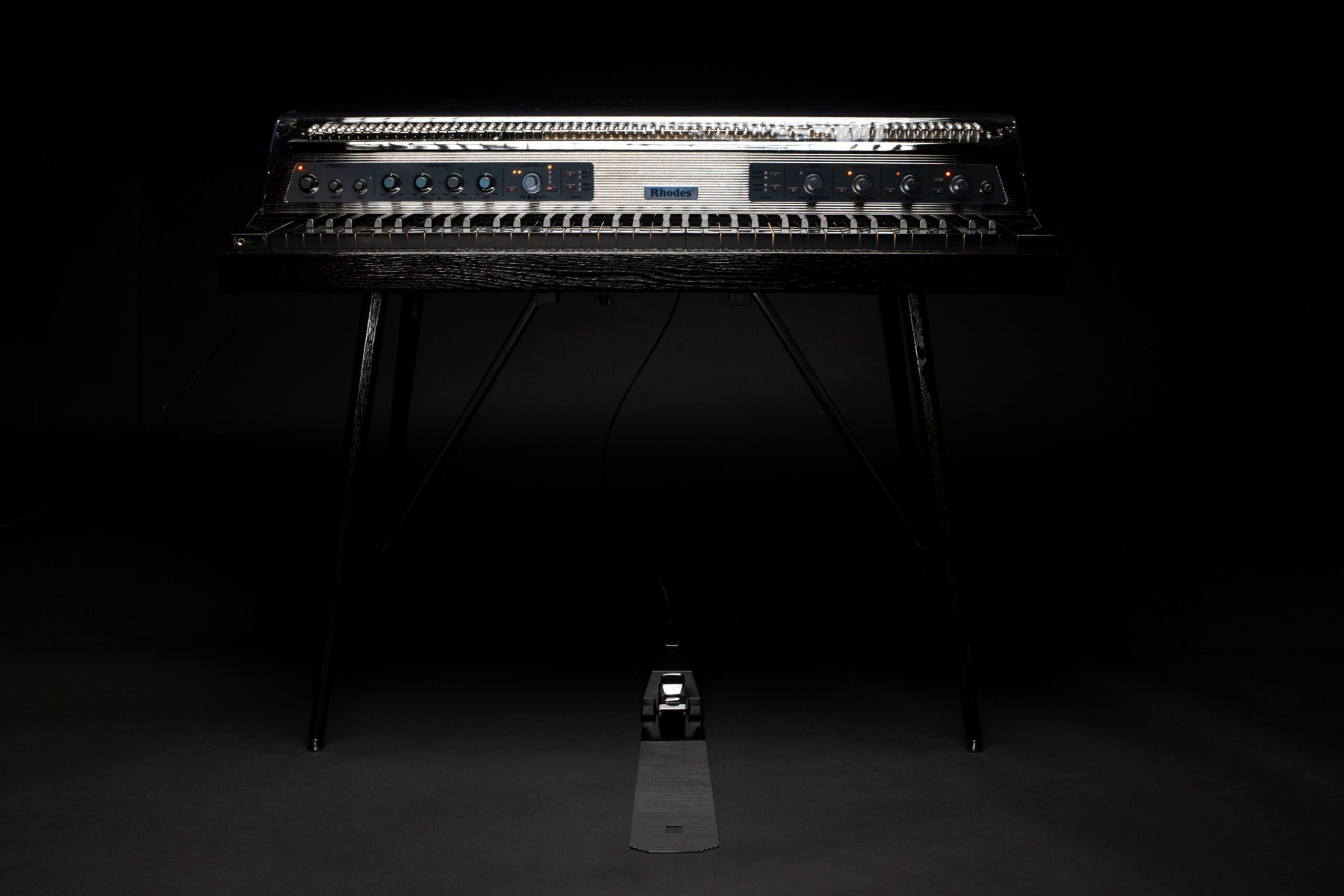
Later this summer, Rhodes will unveil the MK8/80AE, a limited-edition instrument celebrating eight decades of Rhodes craftsmanship and innovation.
After seeing the instrument, Roger was struck by the level of detail and refinement throughout its design.
“What the 80AE pictures show is the attention to detail, quality components and innovation, superior to what we were capable of in Fullerton.”
Roger is quick to acknowledge that Rhodes existed within a very different manufacturing environment during the 1970s. The instrument was one product line among hundreds across the wider CBS Musical Instruments operation, sharing engineering, purchasing, manufacturing and production resources with Fender guitars, amplifiers, drums and numerous other products.
Looking at the MK8/80AE today, Roger sees a level of focus that would have been difficult to achieve in that environment.
“You folks have honoured what Harold Rhodes and Leo Fender created in the best possible way.”
Having spent years working alongside Harold Rhodes on the production line and speaking with artists and supporting dealers throughout one of the most significant periods in the instrument’s history, Roger believes the instrument’s founder would be extremely proud of what has been achieved.
“I think it’s safe to say he [Harold Rhodes] would be absolutely thrilled with what you have done with the Rhodes Electric Piano.”
Learn more about the Rhodes MK8/80AE: https://rhodesmusic.com/the-limited-edition-rhodes-mk8-80th-anniversary/